01 / Collection
How water arrives
Water may reach a sump through an interior drain system or another approved collection route. The layout depends on the building and observed conditions.
Collection and discharge / Connecticut
CRL coordinates sump pump work in the context of how water reaches the basement, where it can collect, and how it will leave the property.
CRL personnel and subcontractors may both participate depending on the agreed scope.
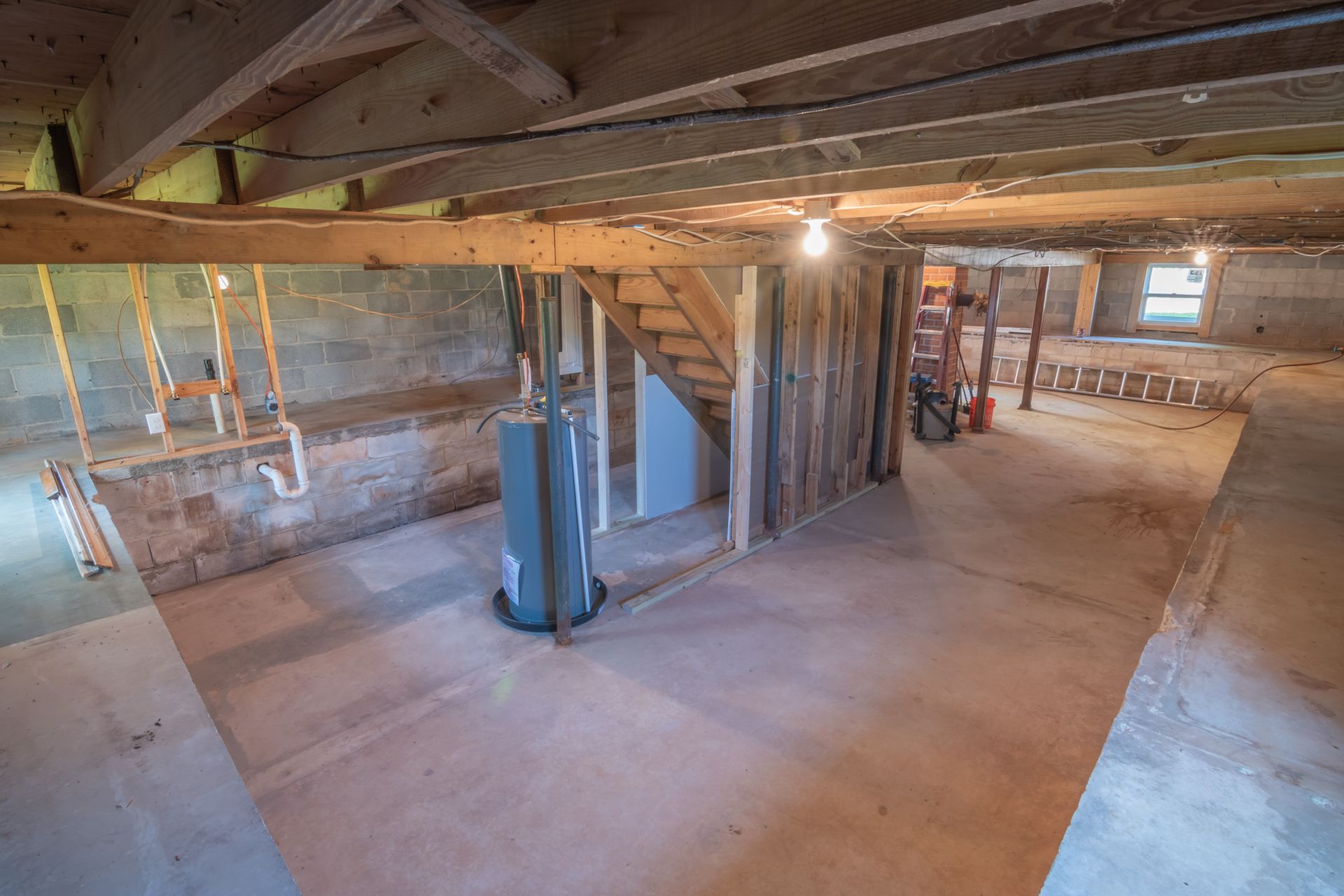
Representative unfinished space; no sump system is shown.
System context
A sump pump moves collected water to a discharge point. It does not identify the original entry path or resolve every cause of basement moisture. Collection, power, access for service, discharge routing, and outside conditions should be considered together.
For a new installation or an existing pump that is not meeting your needs, describe when it runs, any visible water, and where the discharge line leads. CRL can use that information to plan the property review.
Design questions
A good scope states what is being connected, how the equipment can be accessed, and where water is intended to discharge. Final selections follow the onsite review.
Water may reach a sump through an interior drain system or another approved collection route. The layout depends on the building and observed conditions.
Discuss capacity, electrical needs, access, maintenance, and whether backup options should be considered for the property.
Water needs a planned outlet. CRL reviews the exterior route and site constraints rather than assuming an existing line is suitable.
Before a replacement
If a pump is short-cycling, running constantly, discharging close to the foundation, or struggling during a storm, record the pattern. Those symptoms do not point to one automatic replacement; they may involve collection, controls, power, or outside routing.
Explore water-management scopeConnected work
CRL can coordinate the project across relevant trades. The work may involve interior drain tile, crack repair, outside drainage, or later basement finishing, but only as the property calls for it.
When water reaches the slab edge, a collection route may be discussed with the pump. Read about basement waterproofing.
Surface water and foundation conditions may change the best scope. Read about exterior foundation work.
A dehumidifier may help manage air moisture after active water-entry questions are assessed. See all basement solutions.
For future room use, plan equipment access and water-management details before enclosing the area. Explore finishing.
Sump questions
No. A sump is appropriate only when the assessment and water-management plan support it.
Yes. Backup power and equipment options can be reviewed as part of the proposed scope, without assuming a particular product is required.
No single component can guarantee that result. The collection route, discharge, other water paths, and ongoing maintenance all matter.
Sump pump planning
Share the existing setup, symptoms, and property location. CRL will review project fit and the next step.
Or call 475-201-7985.